A practical guide to read-only public-wallet connection in TEMIRIN using configured records, explicit market identity, current controls, and human review.
August 3, 2026 · 4 min read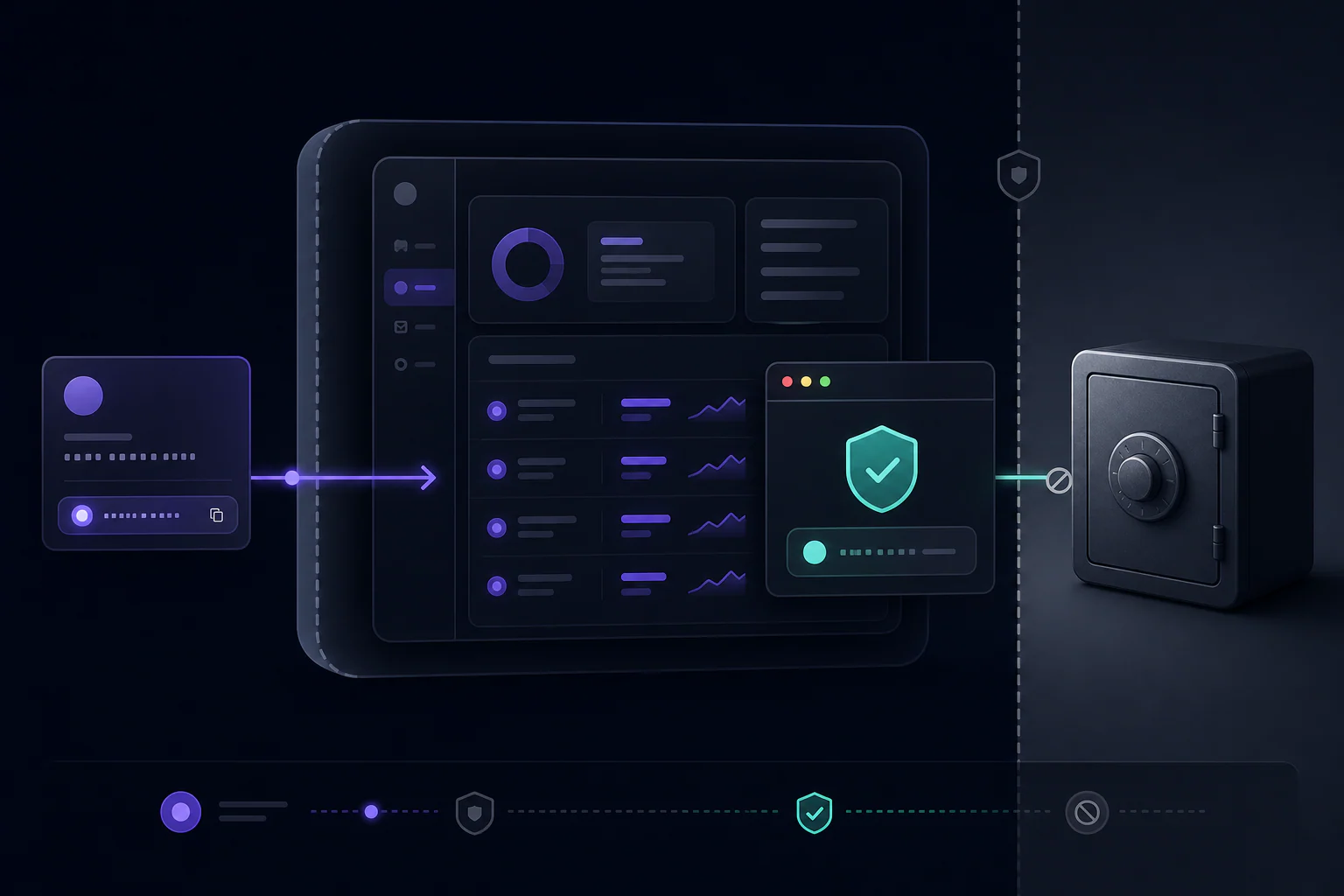
Connecting a public Polymarket wallet address gives a research workspace portfolio context without granting custody or transaction authority. TEMIRIN can read the public position data made available for that address and save portfolio snapshots with observation times. Those records help a reviewer see open exposure beside a watchlist-derived opportunity, but they do not prove who controls the address, reveal activity that a provider does not expose, or authorize any action at the venue.
The safest mental model for public-wallet tracking is a labeled window, not order authorization. A public address can be copied from an explorer or the user's own venue profile and added as an identifier. This read-only workflow never needs a seed phrase or private key and cannot submit or cancel an order. Controlled LIVE is a separate non-custodial path for an eligible user's exact reviewed, provider-signed payload; deposits, withdrawals, and private signing remain in the user's wallet and venue tools.
An address that passes format validation can still be the wrong address. Compare the beginning and end of the value with a trusted source, name it clearly, and confirm the workspace that should see it. After the first refresh, inspect the observation time and a few recognizable positions. A blank result might mean no supported positions, delayed provider data, or an address mistake; it should not be silently interpreted as zero exposure.
Public-wallet coverage also has boundaries. A snapshot reflects the records available through the configured data path at that moment, not every asset, wallet, transfer, or off-platform hedge a person may hold. When a value is unavailable or incomplete, preserve that state. Reviewers should reason from the visible timestamp and coverage note rather than filling missing cost basis or current value with an estimate.
When TEMIRIN creates a record from a market already on the workspace watchlist, the reviewer can compare its explicit market identity, trigger price, current price, and linked evidence with the latest saved portfolio context. This makes concentration or existing directional exposure easier to notice. The reviewer keeps the wallet observation, evidence record, decision note, and any user-entered paper notional separately attributable. Record the snapshot time whenever that context informs a review.
If the user creates a paper order, the requested notional is entered by the user and checked against implemented controls such as the per-order limit, rolling twenty-four-hour paper total, per-market exposure, and portfolio concentration. The public-wallet snapshot is an input to that review, not a reserve of spendable funds. No balance is moved, and no venue order is created from the paper record.
Review the saved address whenever ownership, team access, or monitoring purpose changes. Remove an obsolete address from active use while preserving the decision and audit records that legitimately referenced earlier snapshots. Workspace permissions should limit who can view portfolio context and create exports, because combining a public address with private research notes creates sensitive operational information even when the underlying chain data is public.
A practical quarterly check refreshes the address, confirms several positions against the public venue view, inspects failures, and verifies that no interface asks for signing secrets. To stop venue activity safely, the user should rely on authoritative wallet or venue controls; an eligible user may separately request cancellation through controlled LIVE, but the venue result remains authoritative. Disconnecting a read-only identifier only changes TEMIRIN's workspace context; it cannot revoke external sessions, cancel orders, or protect funds elsewhere.
Document the result with the address label, refresh time, coverage caveats, and reviewer initials. This modest record helps support distinguish an outdated snapshot from a product defect and gives the owner a clear moment to remove an address that is no longer relevant. It also reinforces that monitoring a public identifier is informational: control of the underlying account cannot be established from a successful read.
No. The supported portfolio workflow uses a public wallet address for read-only records and snapshots. Never paste a private key, recovery phrase, or signing secret into TEMIRIN.
No. A public address is observation only and cannot place or cancel an order. Controlled LIVE is a separate fail-closed path for eligible users; TEMIRIN never signs for the user, receives a private key, or moves or custodies wallet funds.
Provider timing, coverage, market status, and incomplete cost-basis data can produce differences. Check the observation time and keep unavailable values visibly incomplete rather than estimating them.

